
- Home
- About us
A woven sack factory, not a trading desk
Asian Lanka Polysack (PVT) LTD extrudes, weaves, prints and stitches polypropylene sacks on one site. Everything described on this page is work we do ourselves.
There are two kinds of sack supplier
One of them buys finished bags by the container and sells them on. The other runs the looms. We are the second kind, and it changes the way a conversation with us goes.
Ask whether a bag can be 58 cm wide instead of the 55 cm you bought last time, and the answer comes from the people who set the loom rather than from a price list. Find a print colour that is a shade out, and we can stop the press instead of crediting you after the fact. Need a heavier fabric because your filling line drops the sack half a metre, and that is a decision we can make the same week.
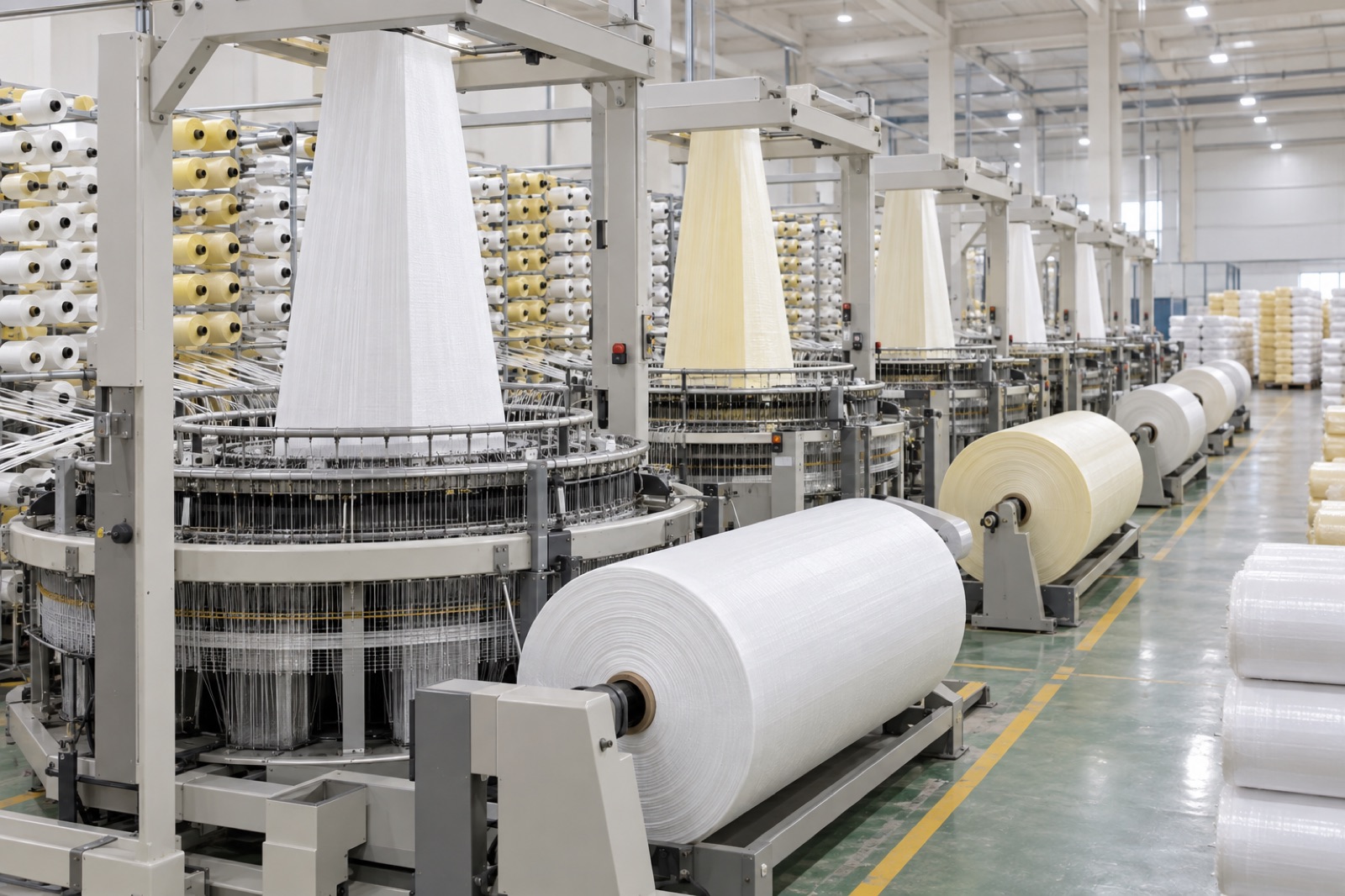
Polypropylene granulate arrives as granulate. Tape is extruded from it and wound onto bobbins. Circular looms turn that tape into continuous woven fabric. The fabric is then cut, printed, hemmed, stitched and packed. All of that occupies the same building, which is why changes that other suppliers call impossible are usually just a scheduling question here.
What happens to your order
A sack passes through three sets of machines before anybody packs it. Knowing which stage you are pushing on makes the conversation a lot shorter.
Weaving
Polypropylene granulate is extruded into tape, wound onto bobbins and fed through circular looms. Fabric weight between 55 and 120 gsm comes down to how that tape is drawn, so it is decided here rather than ordered in.
Printing
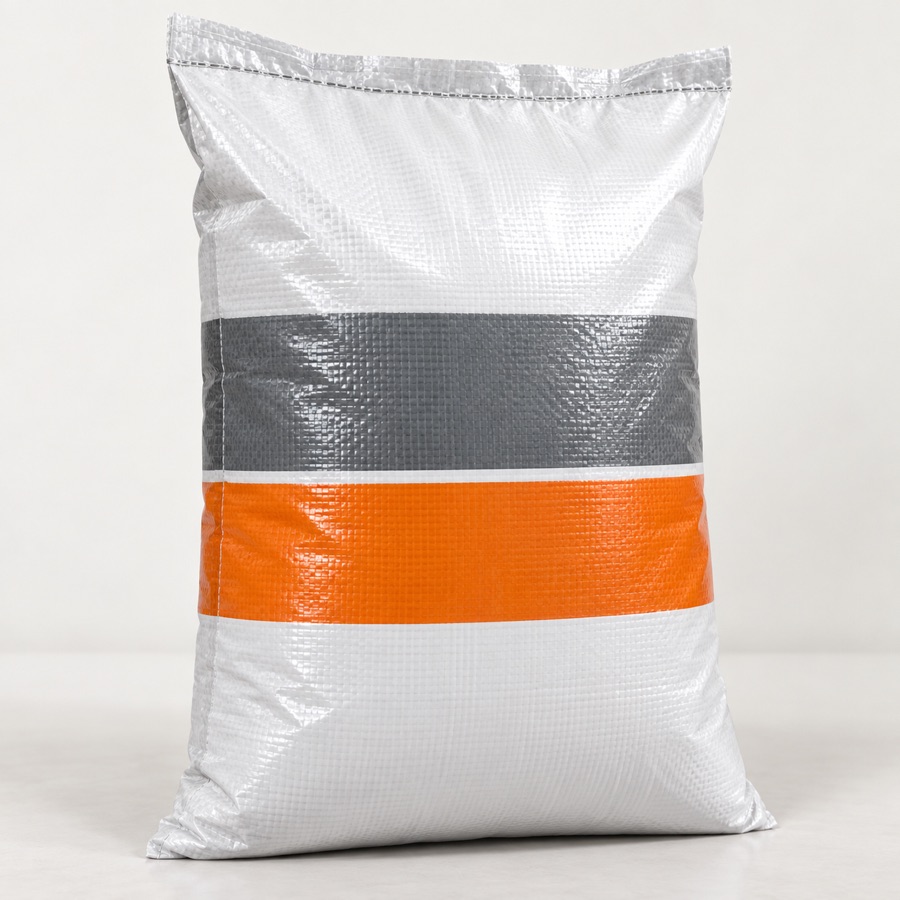
Flexographic presses take the woven tube and lay down up to six colours. For artwork with gradients or photographs we laminate a printed film over the fabric instead, which holds detail a woven surface cannot.
Finishing
Bags are cut to length, gusseted or left flat, then hemmed, stitched or heat sealed. Powder lines usually want a valve, and heavy fills want a double-row stitch, so the closure is chosen with the filling line in mind.
The numbers behind the range
These limits are set by the machines we run, so they are honest limits rather than marketing ones.
The people who buy from us
Woven sacks are a small part of what our customers do, which is exactly why they do not want to spend a fortnight thinking about them.
Fertilizer and agri-input blenders
Blenders who bag 25 kg and 50 kg lines for dealers and co-operatives, and who need the print panel to carry dosage information in more than one language. Moisture protection usually matters more to them than fabric weight.
Rice mills and grain traders
Millers packing 25 kg to 65 kg, often into gusseted sacks that have to stand square on a pallet. The print is customer-facing, so colour consistency across repeat runs is the thing they complain about when it goes wrong.
Chemical and industrial importers
Importers repacking resin, mineral fillers and powders who need the sack to match the material rather than the other way round. Fine powders push them towards coated fabric and a sealed closure, and that is usually where we start.
The granulate decides more than you would expect
Woven polypropylene starts as granulate, and that granulate settles two things you will notice on the finished sack: how strong the tape is, and how consistently the fabric takes ink.
Virgin polypropylene gives the highest and most predictable tape strength, and it prints cleanly. Blended material, which can include reprocessed polymer, costs less and is perfectly serviceable for heavy dry goods where nobody is studying the colour of the bag. We buy both. We will tell you which one is behind your quotation rather than leave it as a discovery.
- Multi-colour print, or a colour that has to match across repeat orders. Specify virgin fabric. Batch-to-batch drift is far smaller.
- A dark, heavy product where the print is not the point. Blended fabric saves real money on every bag.
- Anything that touches food. Say so before we quote. There are limits on what can go into a sack used for foodstuffs, and they are much easier to design around than to fix afterwards.
We would rather have that conversation at the quotation stage than at the delivery stage.
How the relationship usually runs
Most accounts start with one slightly awkward order and then settle into a rhythm of repeat runs. A few things about the way we work are worth knowing before the first one.
You deal with the person who quoted you. There is no separate account manager and no handover to a service desk. When you ring about a job in progress, you are ringing the person who wrote the specification in the first place.
Lead times are quoted in working days from artwork approval, not from the enquiry. That distinction sounds pedantic and is not. A new design that waits three days for a proof signature is three days later than the number on the quotation sheet, and it is better to say so at the start.
If we cannot do something, we say so, including when we think another supplier would serve you better. It is a slightly old-fashioned way to run a business, and it is why so many of our accounts have been with us for years.
- One named contact from quotation through to delivery
- A retained sample kept against every completed run
- Lead times quoted from artwork approval, not from enquiry
- Straight answers on what we can and cannot do
Five things buyers ask us to change, and our answers
These come up in almost every second enquiry. The answers are not always the ones people are hoping for, but they are the honest ones.
"Can you make it five centimetres wider?" Usually yes, up to 75 cm of finished width. Widening a bag is a loom change rather than a cutting change, so it costs more than altering the length and it takes longer to set up. If the reason is that the bag slumps on the pallet, width is often the wrong lever and a gusset is the right one.
"Can you use thinner fabric to bring the price down?" Often yes, and sometimes we will push back. If the sack is filled and loaded straight onto a lorry, thinner fabric is a straightforward saving. If it is being lifted by one corner in a warehouse or stacked eight high, thinning the fabric just moves the failure somewhere else and you will see it within a month.
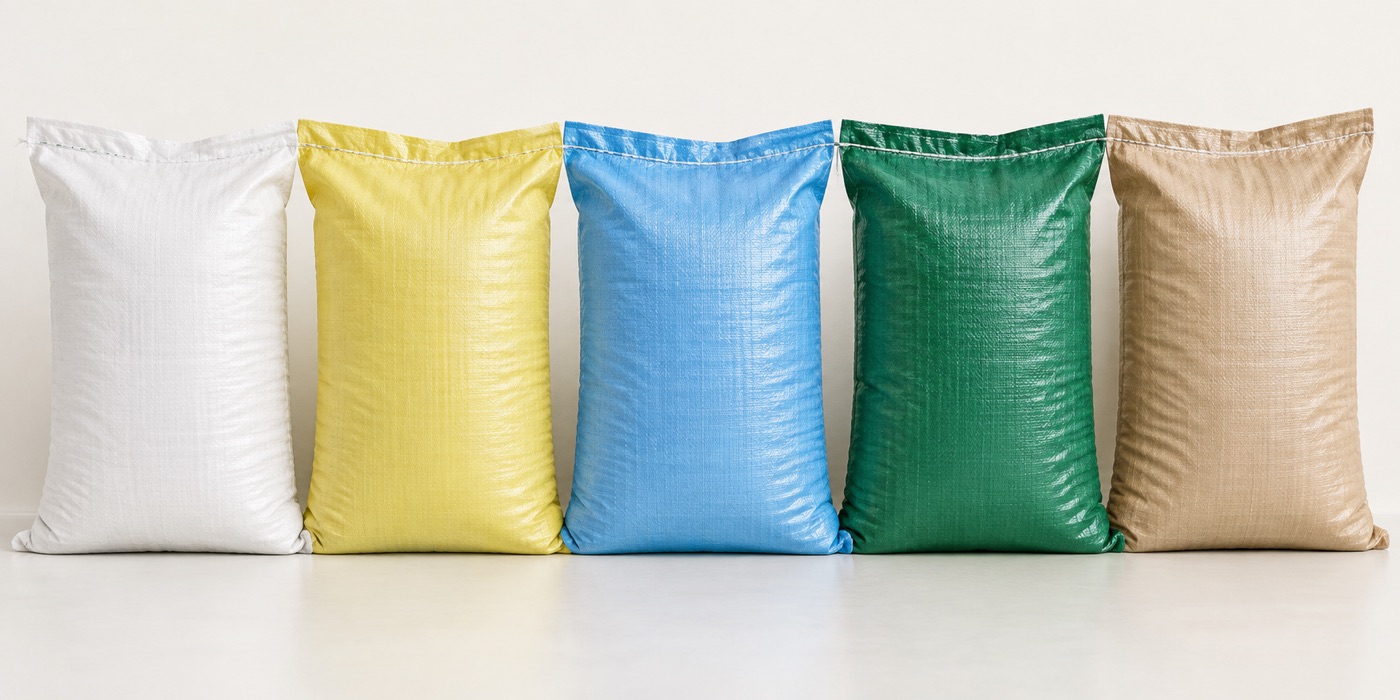
"Can you match this colour exactly?" We can get close on virgin white fabric, and we will send a proof on the actual fabric so you can judge it rather than take our word for it. What we cannot do is guarantee a perfect match across fabric from different granulate batches, which is why we recommend a retained sample for anything colour-critical.
"Can you add one more colour?" Usually. Each colour is a station on the press, so the cost steps up rather than creeping. Past four colours we will normally ask whether the design needs all of them, because a tighter palette generally prints better on a weave anyway.
"Can you deliver in half the time?" Sometimes, and we will tell you honestly rather than promising and missing it. Plain stock we hold can move quickly. A new print job cannot, because plates have to be made and a proof approved. If the date is genuinely immovable, say so on the first call and we will tell you what is realistic before you commit.
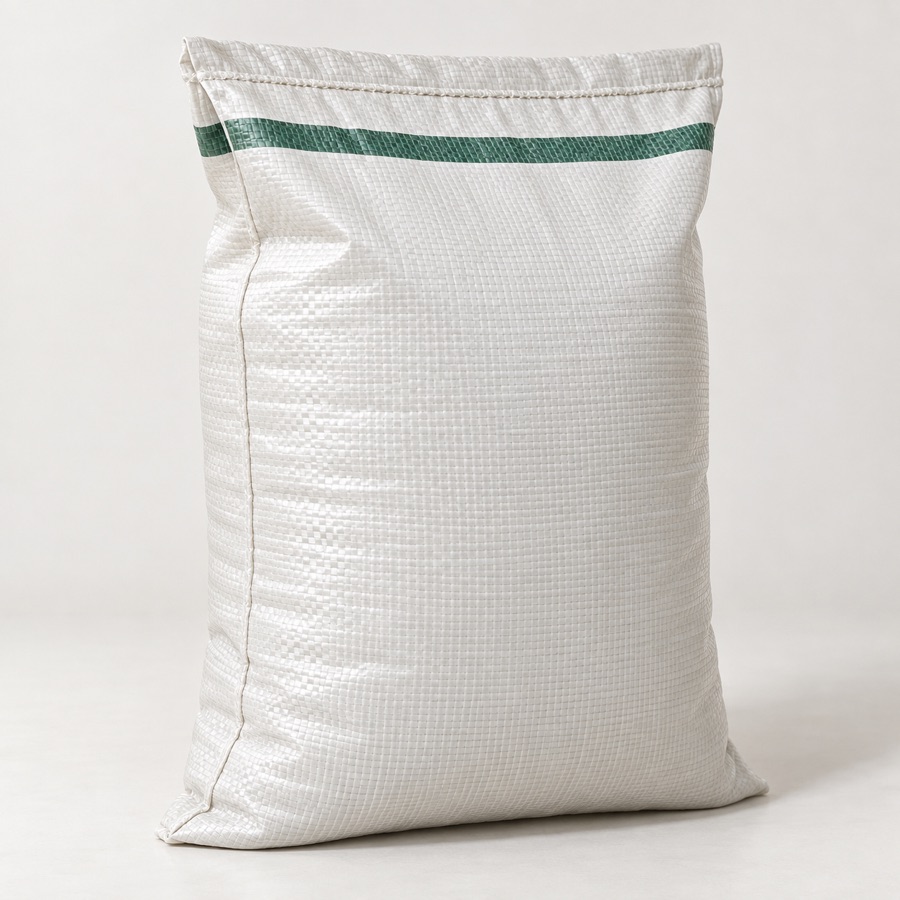
Checked by hand, against a written spec
Every order starts as a specification sheet: bag width, bag length, fabric weight, closure type, print colours and stitch count. That sheet stays on the line while the run is live. Finished bags are pulled at intervals and checked against it.
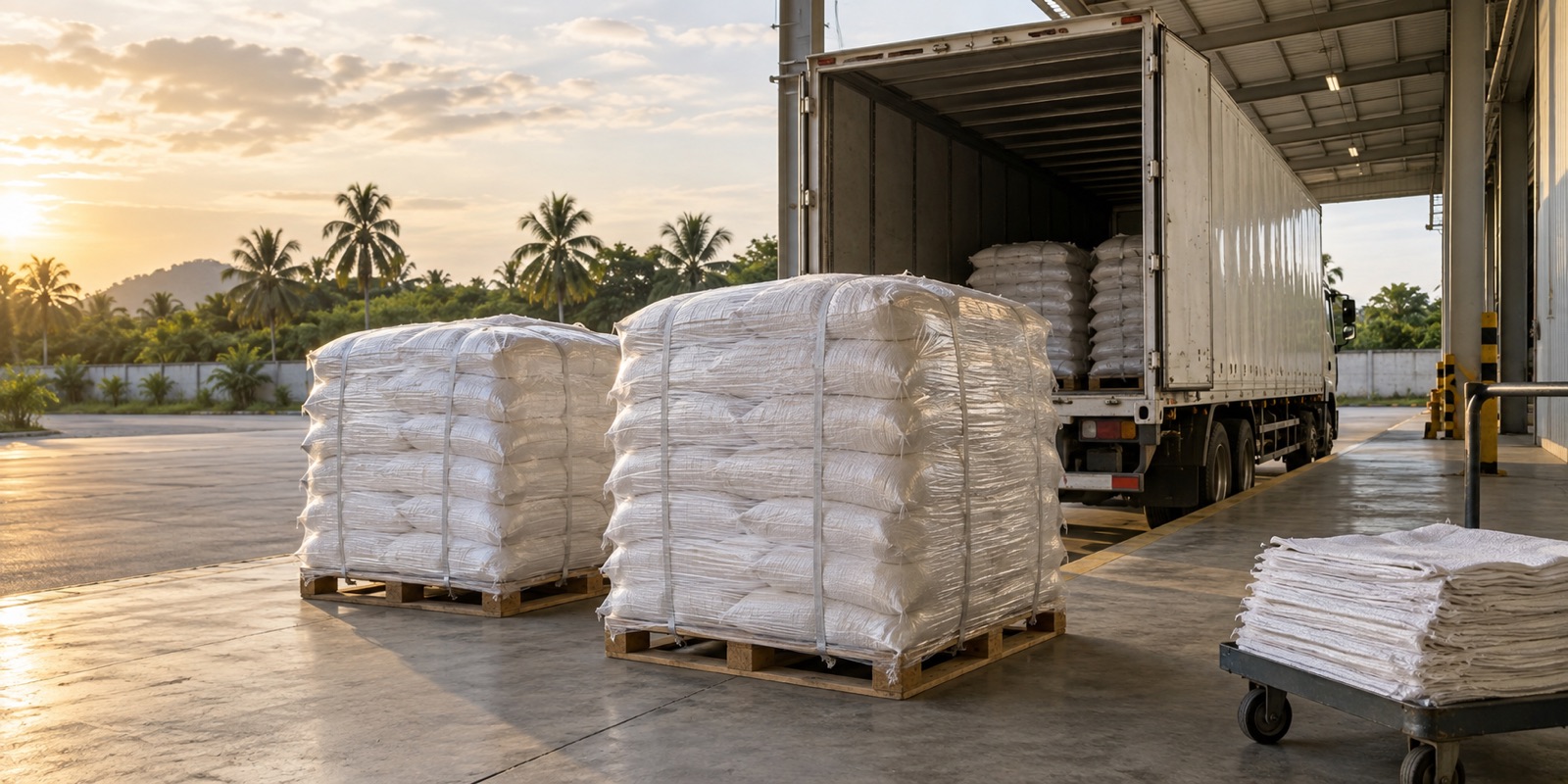
What we look at depends on what you are packing. A fertilizer bag gets weighed and drop-tested, because a 50 kg sack that splits on a pallet is worse than no sack at all. A printed retail-facing bag gets checked for print registration and colour, because that is the part your customer sees. Grain sacks get checked for gusset alignment, since a sack that will not stand square wastes pallet space all the way down your warehouse.
- Seam and stitch strength checked through the run
- Print registration and colour measured, not eyeballed
- Fabric weight verified against the approved sample
- A sample bag retained from every completed run
Where we are not the right supplier
It saves everybody time if we say this up front rather than two emails into a quotation.
Very small orders
Below 100 plain sacks or 500 printed ones, we are not competitive. Setting up a loom run costs the same whether it produces 500 bags or 50,000, and that setup is what you would be paying for. For a handful of sacks, a local stockist will serve you better than we can.
Retail consumer packaging
If your product sits on a supermarket shelf, woven polypropylene is almost certainly the wrong material. We make industrial and agricultural transport packaging: sacks that carry bulk goods from a filling line to a warehouse or a port. Stand-up pouches, laminated film bags and cartons are a different trade entirely.
Bags that need a food-contact certificate we do not hold
Woven PP sacks are commonly used for rice, pulses and grain, and customers regularly ask us for food-grade documentation. Tell us which standard your buyer requires before we quote. We will tell you plainly whether we can satisfy it, rather than let you find out at the port.
Overnight delivery on a new printed design
A new print design needs plates made, a proof approved and a press slot booked. That is two to four weeks on a realistic timeline. If you already hold plain stock with us, we can print and ship much faster, so it is worth setting that arrangement up before you need it.
Come and see the floor
Customers placing a first printed run are welcome to visit before it is released, or to send a sample of the bag they use today and have us match it.